September 24, 2026
Understanding the importance of regular tree maintenance is critical to preventing damage and costly repairs. Trees are living organisms that require regular care and attention to thrive. By implementing the strategies discussed below, you can greatly extend the lifespan and vitality of your trees. Moreover, maintaining your trees can significantly enhance the appearance and safety of your property.
Regular Pruning and Its Benefits
Enhancing Tree Health
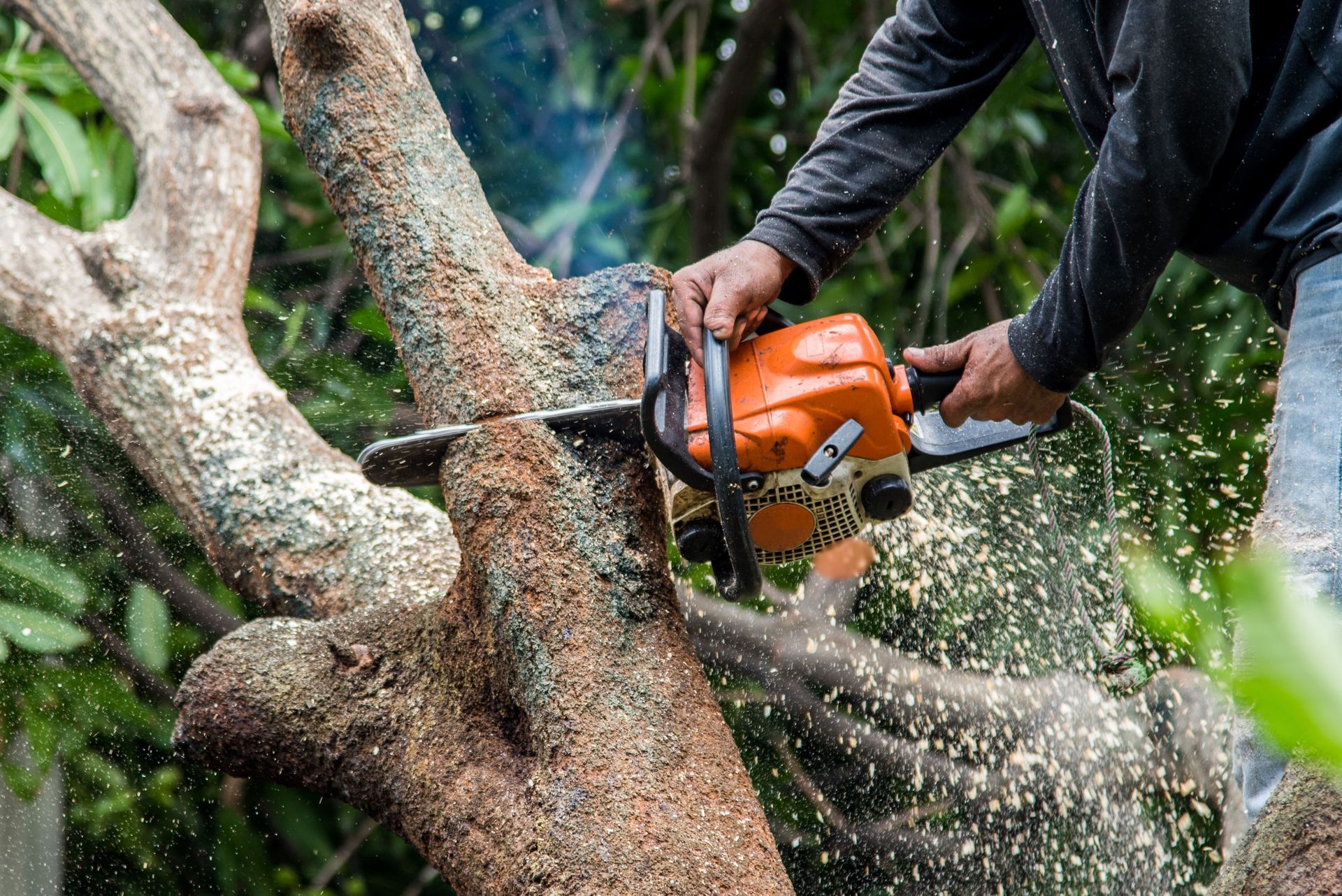
Pruning plays a vital role in maintaining the health of trees. Removing dead, diseased, or damaged branches promotes the growth of healthy branches. It improves air circulation, allowing the tree to access sufficient sunlight and nutrients. This helps prevent the spread of diseases and infestations, ensuring a longer lifespan. By focusing on the health of each tree, regular pruning sustains robust development and resilience against environmental stressors.
Moreover, pruning facilitates access to sunlight and wind, essential components in a plant's growth cycle. Proper cutting techniques are used to ensure cuts are made at the correct angles, preventing damage. Enhanced air circulation reduces the heat load on leaves, minimizing heat stress. In turn, this maintenance practice decreases the need for additional fertilizers or treatments, ultimately leading to cost savings. Routine care through pruning ensures a well-nourished and thriving tree.
The importance of pruning is supported by its prevalence within the industry. According to IBISWorld, tree and shrub pruning services make up over 40% of the U.S. tree trimming services industry, making routine tree maintenance the largest segment of the market. This statistic underscores the critical role pruning plays in tree care, as tree health largely depends on consistent and skilled pruning. As trees are investments in any landscape, their upkeep becomes a crucial facet of property management. Regular pruning hence stands as a foundational tool in maintaining arboraceous health and beauty.
Preventing Safety Hazards
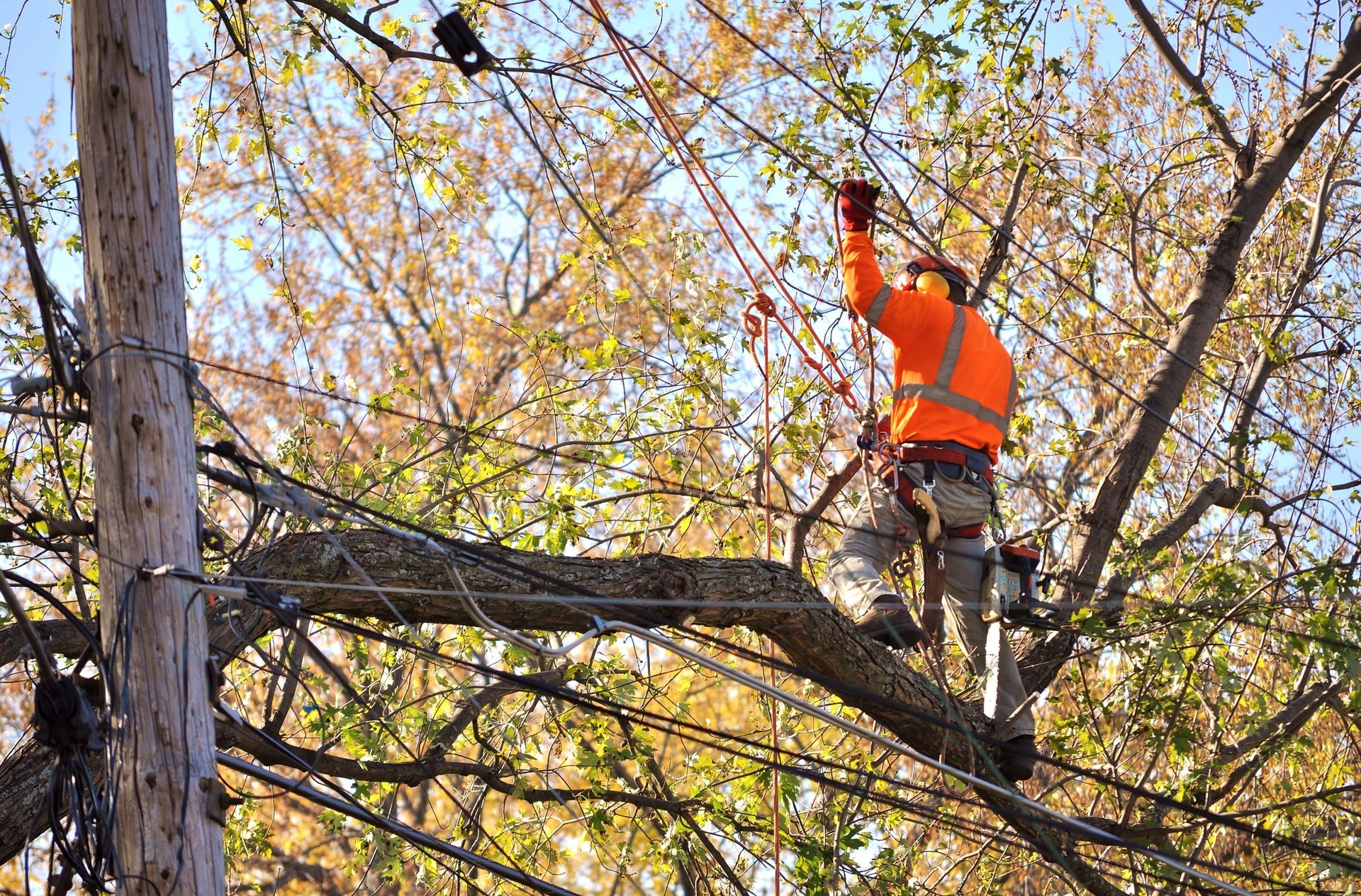
Trees with overgrown or weak branches pose significant safety risks, particularly during storms or high winds. Regular pruning helps mitigate these hazards by eliminating weak or overgrown limbs before they become dangerous. By maintaining control over the tree's growth pattern, potential risks such as branches damaging property or power lines are reduced. Pruning also enhances visibility, ensuring that paths, driveways, and roadways are clear and safe. This practice is essential in preventing accidents and maintaining a secure environment for residents and visitors alike.
In urban areas, where the proximity of trees to infrastructure is often close, managing growth through pruning is critical. Large branches can obstruct traffic signals or signage, leading to potential traffic hazards. In addition to removing these risks, regular maintenance ensures that trees do not encroach upon buildings, which could lead to structural damage over time. Safety comes first in tree maintenance, and professional evaluation is advised to assess any liability issues related to tree placement near human activity. Consistently managed trees align with public safety priorities, ensuring community well-being.
Beyond safety, well-pruned trees contribute to the aesthetic and functional appeal of a property. Pruned trees not only look more pleasing but also allow more sunlight to reach the ground, facilitating the growth of underbrush or lawn. This enhances the property's overall value and usability. Furthermore, by controlling the growth direction of branches, properties can preserve scenic views and landscapes. Thus, regular pruning aligns safety with beauty, seamlessly maintaining an environment that is both secure and attractive.
Improving Tree Structure
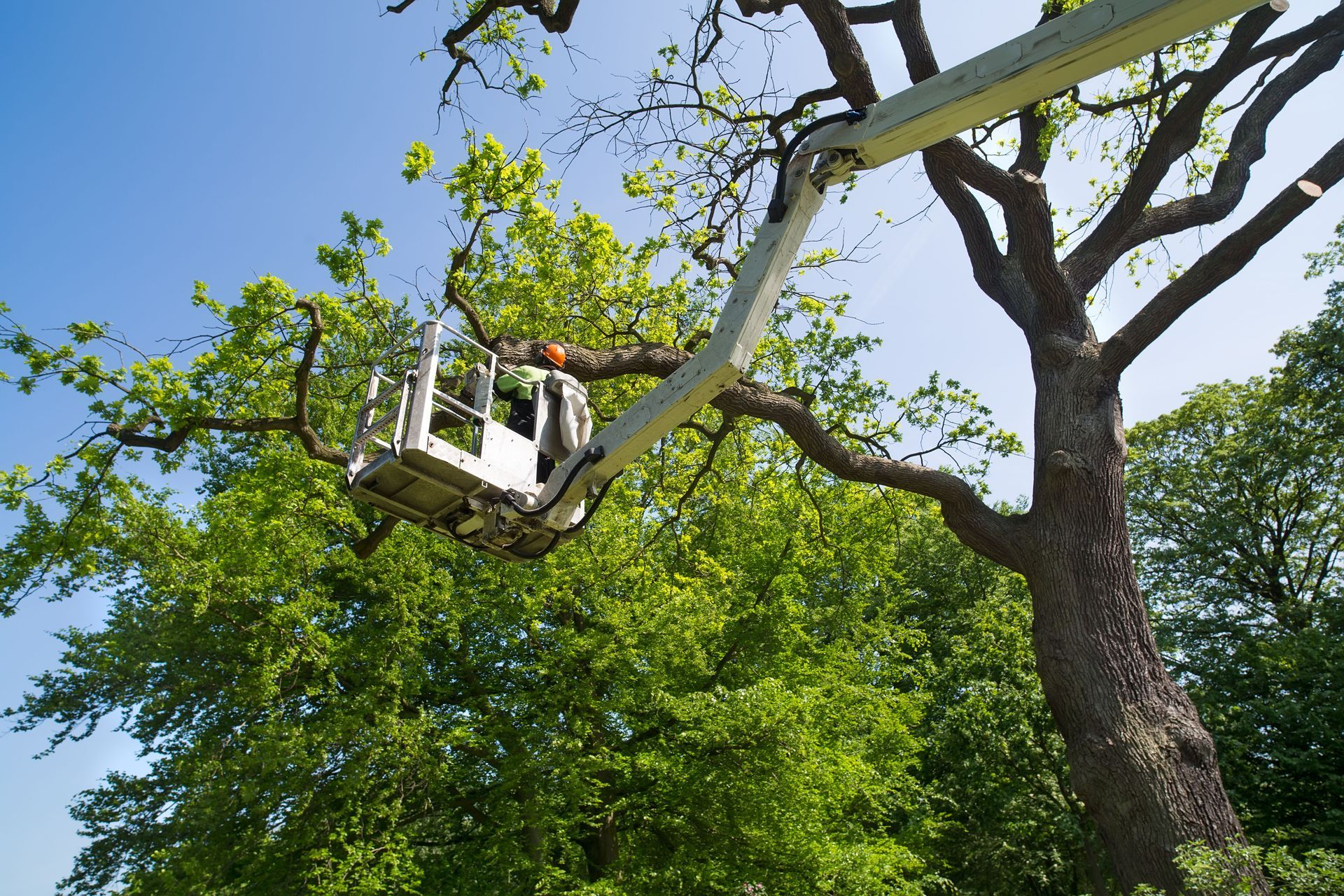
Pruning strategically allows for the optimal shaping of a tree, aiding in the development of a strong structural framework. This structural integrity minimizes the risk of structural failure, especially during adverse weather conditions. Training young trees with proper pruning creates a foundation that can support growth and adapt to environmental factors. Pruning helps distribute weight evenly, preventing branches from growing in competing angles that lead to breakage. By fostering balanced structure, trees are better equipped to support canopies without stressing their limbs.
Regular inspections and scheduled pruning ensure that any structural issues are caught early and corrected before they become problematic. Consistency in maintenance prevents irregularities and aberrations in tree form, securing lasting stability. Education about species-specific needs helps in planning pruning efforts tailored to individual trees. With proper care, trees provide unmatched longevity and resources, creating canopy shelters and ecological balance. Thus, maintaining structure through pruning epitomizes sustainable environmental stewardship and landscape design.
Proper Watering Techniques
Understanding Tree Water Needs
Just as with any living organism, trees require water to survive, grow, and thrive. Understanding how much water is necessary for a specific tree species is indispensable for tree care. Different trees have different water needs based on their size, species, soil conditions, and climate. An accurate assessment of these factors ensures that a tree receives neither too little nor too much water. Providing just the right amount bolsters tree health, leading to lush growth and vibrant foliage year-round.
Improper watering techniques can lead to various problems such as root rot from overwatering or drought stress from underwatering. Tailoring irrigation plans based on the growth phase, from seeding to maturity, creates distinct adaptation periods characterized by managed hydration. As these requirements differ throughout the course of a tree's life cycle, consistent monitoring and adjustments are essential. Relying on visual clues or moisture meters guides corrections, benefiting from precision to nourish the roots without compromising aeration. The balance of tree water provides resilience, nurturing sapwood and maintaining transpiration while combating stress.
Moreover, seasonal variations require nuanced attention to how water is utilized during peak growth or dormancy periods. Climate considerations align irrigation with precipitation patterns, using rain barrels or catchment systems to supplement needs naturally. Roots delve below, harnessing untapped reserves and thriving independent of evaporative losses, fortifying ecosystems centered on water efficacy. Thus, understanding tree hydration schedules is equated with a commitment to fostering life, supporting each symbiotic relationship in ecological harmony.
Ideal Watering Schedules
The establishment of an ideal watering schedule is tailored specifically to each unique tree species, its local climate, and soil conditions. Often, young trees require frequent watering, ensuring their developing root systems receive adequate moisture. Mature trees, with established roots, typically require a less frequent watering schedule. However, they still benefit from deep, thorough watering to facilitate water infiltration to the root tips. This helps support nutrient uptake, metabolic processes, and photosynthesis within sustained cycles.
Although variation is fundamental, consistency ensures adherence to principles of water conservation. Precise scheduling encourages root expansion into deeper soil, enhancing resource exploitation and anchorage. In drought-prone areas, established watering templates capitalize on timed, volume-controlled delivery systems. Elements such as drip irrigation or soaker hoses distribute water directly to root zones, mitigating over-saturation or water waste. Thus, efficient water practice fosters sustainability, nurturing regional landscapes resilient to fluctuating availability while balancing demands of scarcity.
Efficient Watering Methods
Employing efficient watering methods ensures optimal water usage, benefiting tree health and conservation efforts. Drip irrigation systems deliver water directly to the root zone, significantly reducing evaporation waste. Similarly, soaker hoses provide consistent low-pressure watering, maintaining steady moisture levels integral to tree sustenance. These methods are particularly effective for larger trees and extensive landscapes by evenly moistening required zones without flooding areas that do not need water. This reduces both water usage and the risks of overwatering-related diseases such as root rot.
Ultimately, sustainable watering solutions arise from acknowledging the intrinsic symbiosis between trees, soil, and climate. Rainwater harvesting systems amplify natural cycles, leveraging geographic climatic phases when water is most available through passive storage. Solar-powered systems channel resources into remote orchards or urban canopies, enriching treescapes devised from eco-sensitive plans. This synergy broadens ecological reach, integrating methods where innovation not only facilitates tree care but nurtures habitats spanning cultural vistas. Thus, effective methodologies enhance not merely singular arboreal vigor but community-wide environmental inclinations, inviting preservation efforts through advocacy.
Ultimately, proactive tree maintenance is a long-term investment that pays off through enhanced property value, safety, and environmental health. By committing to consistent pruning, you protect your property from structural hazards and storm damage while encouraging robust, healthy canopies. Coupling this structural care with mindful, efficient watering practices ensures your trees develop the deep-rooted resilience necessary to withstand environmental stress and seasonal changes. When you prioritize these foundational maintenance strategies, you transform your landscape into a safe, thriving, and beautiful environment that will endure for generations. Contact Felix's Tree Expert, LLC today to schedule your expert tree care consultation.