August 26, 2026
A lush, vibrant canopy serves as both a breathtaking visual centerpiece and a vital ecological asset for any residential or commercial property. Dense foliage provides shade, enhances property aesthetics, filters atmospheric pollutants, and supports local wildlife. However, achieving and preserving a robust, healthy crown requires continuous attention and systematic care. Without proper intervention, overgrown branches, hidden fungal infections, and structural imbalances can quickly deteriorate a tree's vitality, leaving it vulnerable to storm damage, decay, and premature decline. Engaging in routine tree maintenance ensures that woody plants receive the precise cultural practices necessary to flourish year after year.
A healthy canopy does not happen by accident; it requires a deep understanding of botanical biology, soil mechanics, and arboricultural techniques. Every cut made into a living branch impacts the physiological processes of the plant, altering how nutrients, water, and sunlight are distributed throughout the system. When property owners prioritize professional oversight, they safeguard their landscapes against silent pathogens and structural degradation. Systematic care transforms vulnerable, cluttered branches into organized, resilient frameworks capable of enduring harsh weather conditions while displaying vibrant foliage throughout the growing seasons.
Enhances Sunlight Exposure and Air Circulation
A primary driver of vigorous canopy development is the efficient absorption of solar energy. When a tree develops an overly dense network of interior branches, lower leaves and inner stems become shielded from sunlight. This shade stress forces the plant to expend valuable energy attempting to stretch outer branches, leading to thin, leggy foliage with minimal interior growth. Professional tree maintenance addresses this imbalance by selectively thinning crowded branch systems, allowing solar radiation to penetrate deep into the interior foliage matrix.
Beyond sunlight penetration, opening up dense foliage significantly improves airflow throughout the crown. Stagnant moisture trapped beneath a thick leaf cover creates an ideal microclimate for opportunistic fungal spores to germinate and spread. Powdery mildew, leaf spot diseases, and anthracnose thrive in damp, shaded environments with restricted wind movement. By strategically removing crossing, rubbing, and excessively crowded limbs, arborists facilitate rapid drying of leaves after rainstorms or atmospheric dew. This constant movement of fresh air dramatically reduces pathogen viability, preserving leaf integrity and supporting efficient photosynthesis throughout the entire canopy structure.
Eliminates Structural Weaknesses and Deadwood
Trees growing in urban and suburban environments often develop structural deficiencies that compromise their overall health and stability. Co-dominant stems—situated where two main trunks compete for dominance—frequently form weak bark inclusions that are prone to splitting under stress. Similarly, dead, dying, or diseased branches represent constant hazards to the living organism. These decaying limbs serve as open entry points for wood-rotting fungi and wood-boring insects, which gradually migrate inward toward the heartwood and vital vascular tissues.
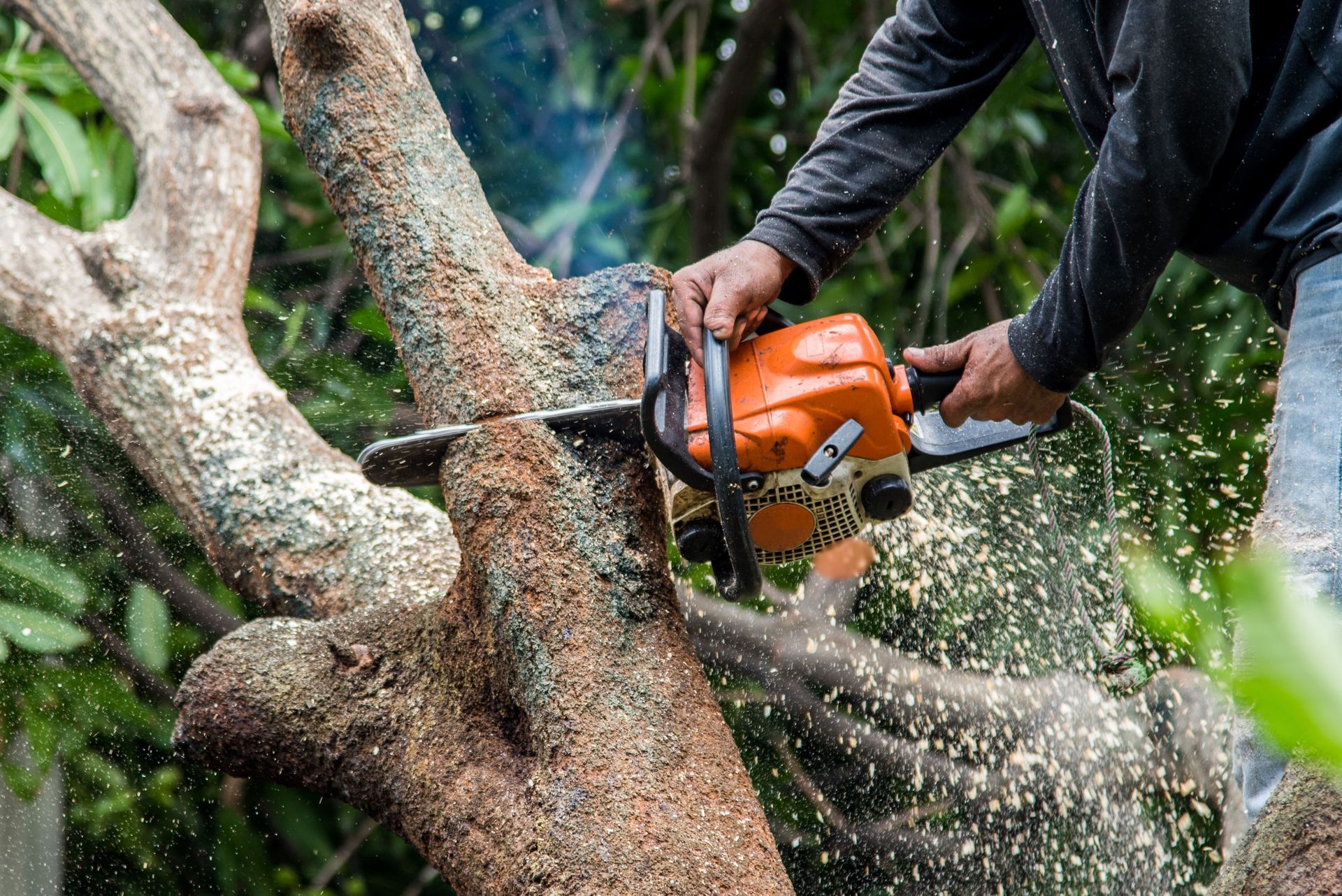
Executing systematic deadwood removal and structural pruning removes these structural hazards before severe internal decay sets in. Trained specialists evaluate branch attachment angles, identifying V-shaped crotches that require mitigation while preserving strong, U-shaped branch unions. Eliminating compromised branches redirects vital metabolic resources away from decaying tissues and toward active growth zones. Consequently, the plant allocates water, carbohydrates, and essential minerals directly to healthy shoots and expanding leaf buds, promoting uniform crown expansion and reinforcing physical resilience against powerful wind loads and heavy ice accumulations.
Identifies Fungal Infections and Pest Hazards
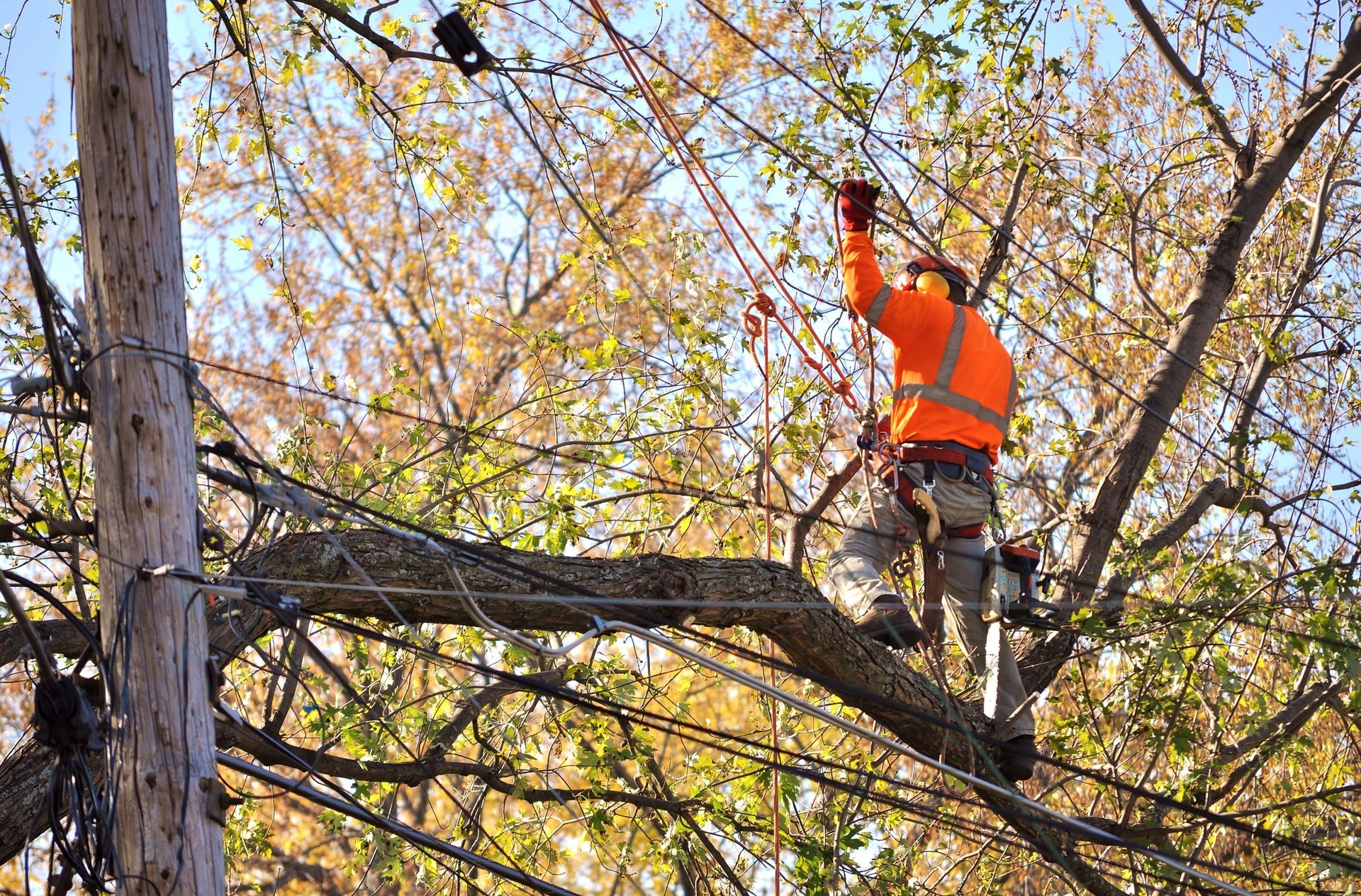
Early detection of disease pathogens and insect infestations is paramount in preventing widespread canopy decline. Many destructive pathogens, such as oak wilt, Dutch elm disease, and various rust fungi, begin in localized areas of the crown before systematically invading the vascular system. Likewise, damaging pests such as emerald ash borers, scale insects, and spider mites quietly feed on foliage and sap, weakening internal pressure and causing extensive leaf loss if left unaddressed. Routine professional care provides regular opportunities for qualified specialists to inspect foliage, bark patterns, and branch unions for subtle signs of biological distress.
According to the U.S. Bureau of Labor Statistics, there are approximately 50,270 individuals employed nationwide in the tree trimming and pruning profession. These skilled practitioners possess the specialized knowledge needed to identify early symptoms of pest infestation and fungal activity before symptoms become catastrophic. Through early diagnosis, targeted sanitation pruning, and appropriate biological control applications, professionals isolate infected limbs and stop the movement of harmful agents to neighboring flora. Protecting individual trees ultimately safeguards the collective health of entire neighborhood ecosystems.
Enriches Soil Quality and Root Vitality
The strength and beauty of an expansive leafy crown are directly connected to the health of the root system hidden beneath the surface. Roots require a delicate balance of moisture, dissolved oxygen, and essential mineral nutrients to support broad leaf expansion and trunk development. In suburban settings, soil compaction caused by foot traffic, construction equipment, and lawn mowers frequently restricts root expansion and limits water infiltration. Compacted, nutrient-depleted soil causes leaf chlorosis, canopy dieback, and stunted annual growth.
Comprehensive tree maintenance extends beyond branch trimming to encompass root zone management and soil enrichment. Specialists utilize deep-root fertilization techniques, injecting liquid nutrient blends and beneficial mycorrhizal fungi directly into the active root zone. Deep-soil aeration breaks up compacted earth, restoring vital pore space for oxygen exchange and water absorption. Additionally, applying organic mulch rings around the base insulates delicate feeder roots from temperature extremes and conserves soil moisture. By cultivating a thriving underground ecosystem, arborists ensure that the canopy receives a continuous, rich supply of essential elements required for sustained growth.
Balances Weight Distribution and Wind Resistance
Heavy, unmaintained branches located on one side of a tree can create severe weight imbalances that stress the trunk and root anchor system. As a canopy expands unevenly toward open light, heavy leverage forces act upon structural branch unions during strong wind events. Heavy foliage also acts like a sail in storm conditions, catching high-velocity wind currents and increasing the likelihood of whole-tree failure or major branch shear. Balancing the canopy weight is therefore a crucial component of defensive plant health care.
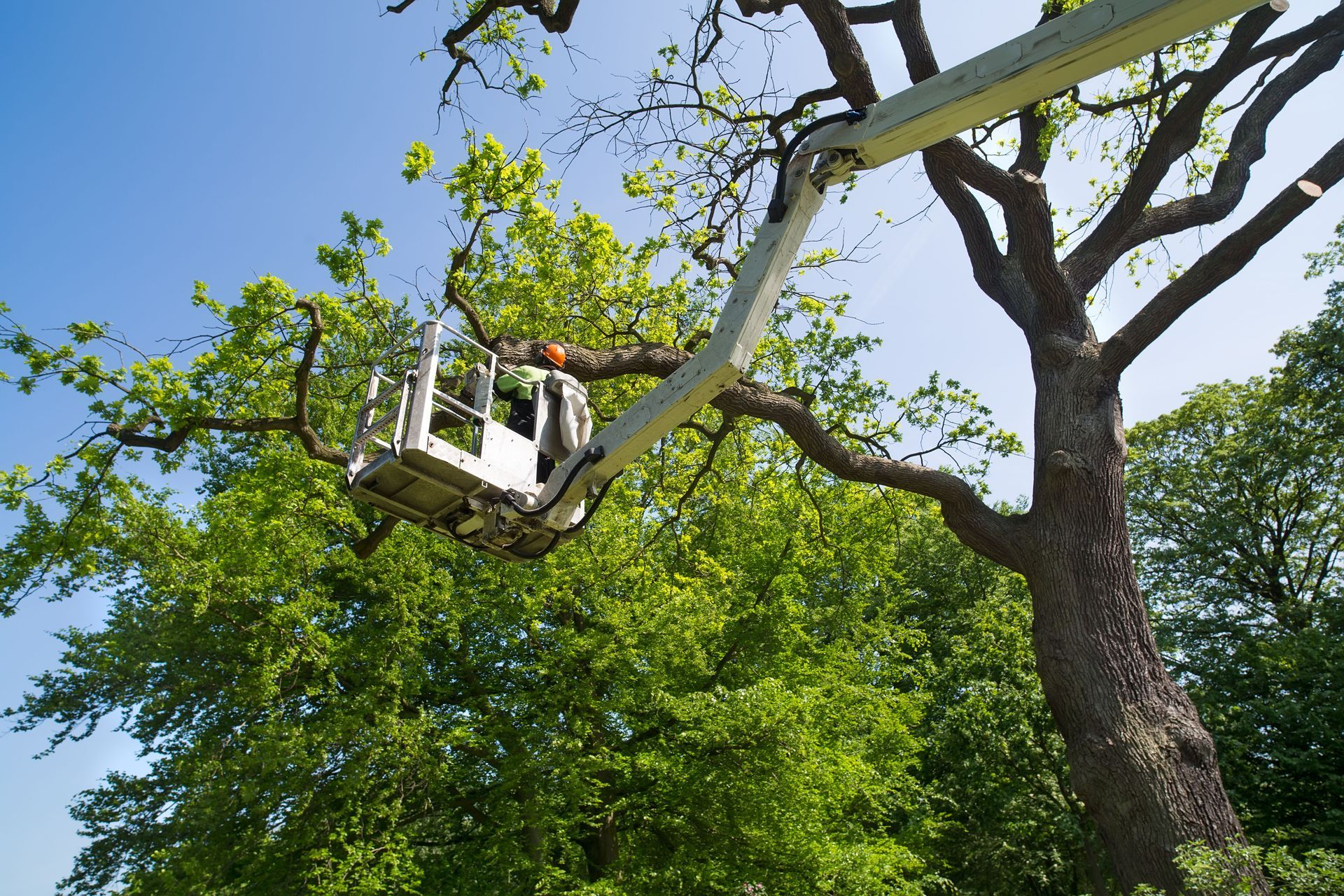
Through precise canopy reduction and crown thinning techniques, arborists selectively reduce the weight of over-extended limbs while maintaining the natural silhouette of the species. Removing excess foliage weight decreases structural leverage, relieving mechanical strain on primary branch unions and lower trunk tissues. Crown thinning allows wind to pass freely through the branch structure rather than pushing against an impenetrable wall of leaves.
Implements Strategic Pruning and Timely Care
Timing plays a critical role in the long-term success of any arboricultural intervention. Random or improper cutting during periods of active growth can stress the tree, causing excessive sap loss and attracting harmful insect vectors. Conversely, performing major structural cuts during dormant seasons allows the plant to conserve vital energy reserves. When spring arrives, the plant utilizes those stored carbohydrates to rapidly seal pruning wounds through natural compartmentalization processes, creating physical barriers that prevent fungal spores from invading exposed wood.
Sustaining a magnificent, healthy canopy requires proactive stewardship, specialized skills, and consistent professional care. From enhancing interior light penetration and airflow to suppressing destructive fungal pathogens and balancing structural weight, holistic plant health care forms the bedrock of long-term landscape health. Investing in routine inspections, precise pruning, and soil enrichment protects valuable natural assets against environmental pressures, storm damage, and disease transmission, ensuring that mature trees continue to enrich property aesthetics, provide shade, and support environmental quality for future generations.
To safeguard the longevity, beauty, and structural safety of your landscape, trust our experienced team at Felix's Tree Expert, LLC. We are dedicated to delivering proactive tree maintenance services tailored to the unique physiological needs of your trees. Contact us today to schedule a thorough assessment and ensure your canopy remains healthy, vibrant, and resilient all year round.