September 25, 2026
Dense brush, tangled vegetation, fallen limbs, invasive growth, and unmanaged trees can make otherwise valuable property difficult to access or develop. Land that appears unusable may contain considerable potential, but realizing that potential often requires careful preparation. Removing unnecessary vegetation can open pathways, reveal the property's natural features, and create room for construction, recreation, agriculture, or other productive uses.
Efficient land clearing is about more than simply removing everything that grows on a property. A thoughtful approach considers the terrain, existing trees, drainage, future plans, and environmental characteristics before work begins. When vegetation is selectively removed and the property is properly prepared, an overgrown parcel can become a more functional real estate asset while retaining valuable natural features.
Assess Existing Property Conditions
Before clearing begins, a property should be evaluated to determine what vegetation and obstacles are present. Dense brush can conceal uneven terrain, fallen trees, old structures, drainage concerns, rocks, or other conditions that may influence how the work should proceed. Understanding those characteristics provides a foundation for developing an appropriate clearing strategy.
An assessment can also distinguish between vegetation that needs to be removed and trees or other natural features worth preserving. Mature trees may contribute shade, privacy, visual appeal, and character to a property. According to real estate experts cited by House Beautiful, mature, strategically positioned trees can contribute between 5% and 15% to a home's resale value. Preserving appropriate vegetation can therefore be an important part of preparing land for future use.
Identify Future Property Uses
The intended purpose of a parcel plays a major role in determining how much vegetation should be removed. A property being prepared for residential construction may require open areas for a structure, driveway, utilities, drainage, and landscaping. Land intended for recreation may need a different approach that creates usable areas while maintaining natural surroundings.
Land clearing can help reveal possibilities that are difficult to see when vegetation dominates the property. Once dense growth is removed, property owners may have a better understanding of available space, natural grades, access points, and desirable locations for future improvements. This clearer perspective can make subsequent planning more practical.
Different development goals also require different levels of preparation. Some projects may call for broad open areas, while others benefit from retaining wooded sections or natural buffers. A selective approach can help balance development needs with the characteristics that make a property attractive.
Plan Vegetation Removal
Effective clearing begins with a plan rather than indiscriminate removal. Identifying target vegetation, access routes, disposal requirements, and areas for preservation can help create an organized process. Planning can also reduce unnecessary disturbance to portions of the property that do not need to be altered.
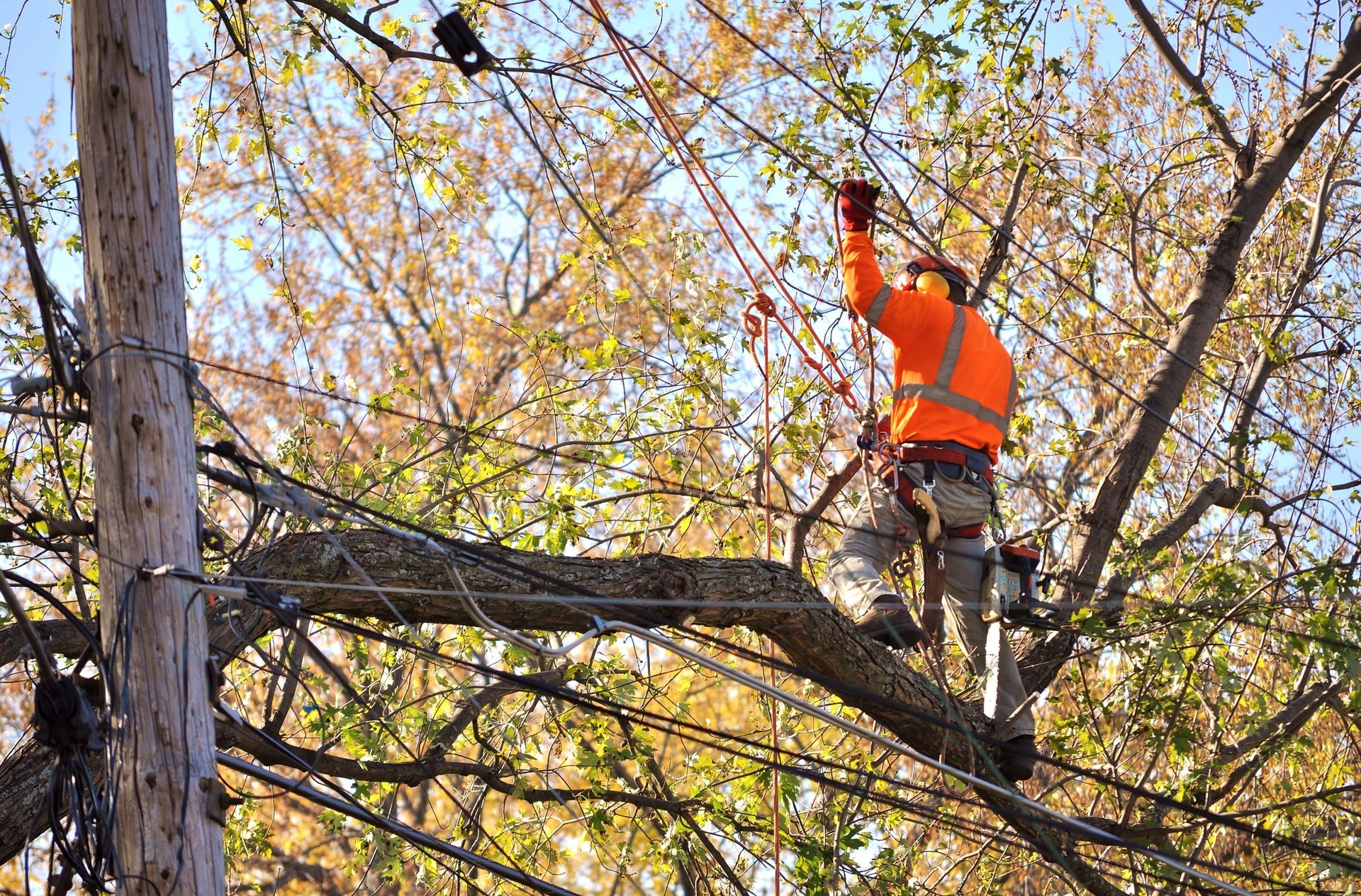
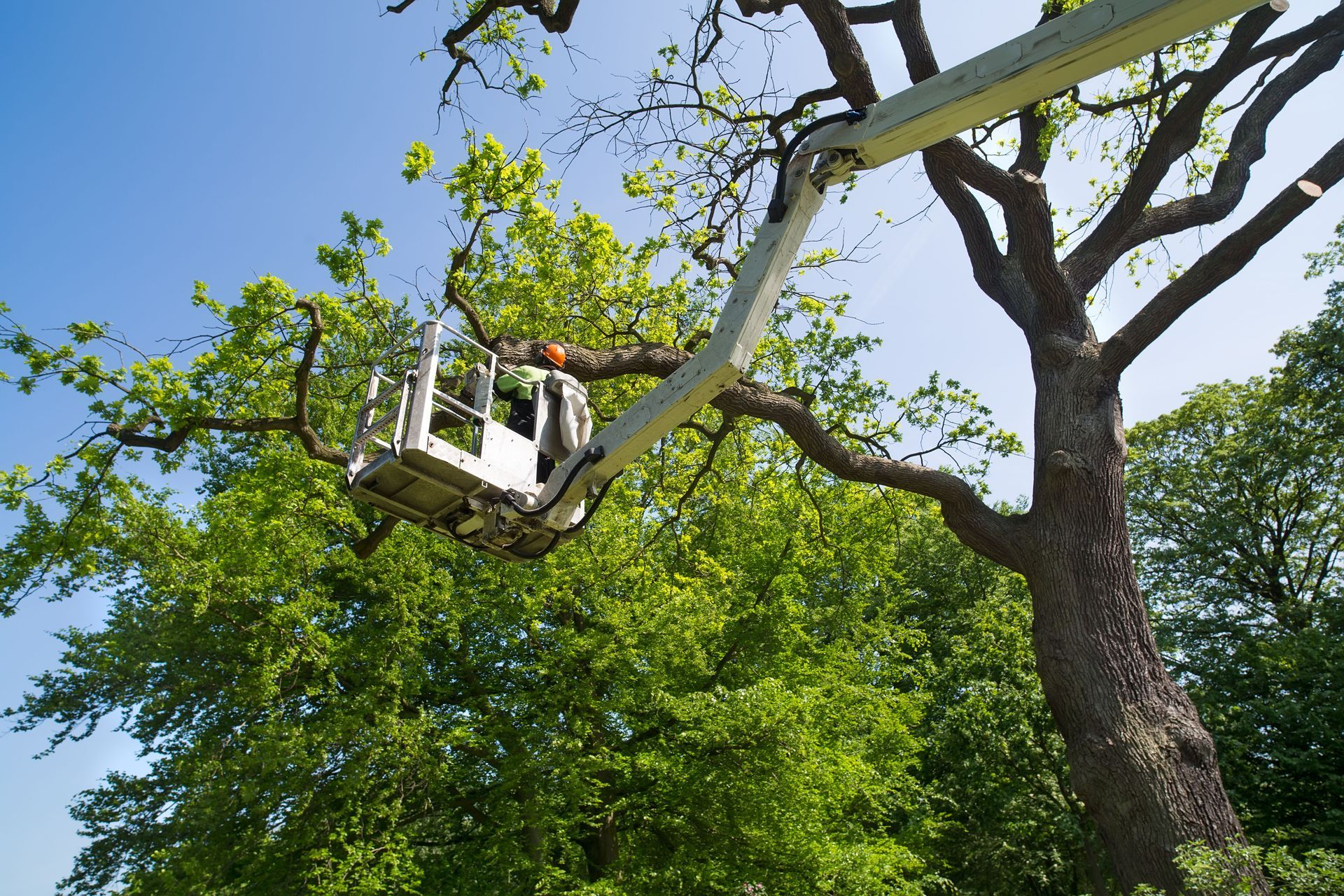
A professional land clearing project may involve brush removal, tree removal, stump extraction, and the management of resulting debris. Each task can affect the next stage of preparation. Coordinating the work allows the property to progress toward a cleaner, more usable condition instead of leaving scattered obstacles behind.
The condition of the vegetation can influence the equipment and techniques required. Thick undergrowth may require specialized machinery, while larger trees and embedded stumps can present separate challenges. Considering those conditions before work starts can help establish a process suited to the property rather than relying on a one-size-fits-all approach.
Access should also be considered during planning. Equipment needs room to enter, maneuver, and reach areas requiring attention. Establishing practical access routes can improve efficiency and help limit unnecessary disturbance to areas outside the intended work zone.
Improve Property Accessibility
Overgrown vegetation can make it difficult to reach portions of a parcel. Thick brush may block existing paths, obscure entrances, or prevent equipment and vehicles from accessing areas that could otherwise be useful. Removing those barriers can make the property easier to navigate and evaluate.
Improved access can benefit both immediate projects and future maintenance. Construction crews may need clear routes for materials and equipment, while property owners may eventually need access for landscaping, utility work, inspections, or repairs. Preparing these routes during the clearing process can support more efficient use of the property later.
Land clearing can also improve visibility across a parcel. Clearing selected areas can make property boundaries, terrain changes, drainage patterns, and existing features easier to recognize. Better visibility can help owners and professionals make more informed decisions about where improvements should be located.
Opening access does not necessarily mean eliminating every natural feature. Paths can be created around desirable trees or wooded areas, allowing a property to remain visually appealing while becoming easier to use. This balance can be especially valuable when the surrounding landscape contributes to the property's character.
Prepare Sites for Development
Once unwanted vegetation has been removed, the property may be better positioned for construction or other improvements. Depending on the project, additional preparation may be necessary to establish suitable grades, address stumps and roots, manage debris, or create appropriate areas for structures and infrastructure.
A cleared site can make the next stages of development easier to visualize. Property owners can see where a building footprint, driveway, recreational area, garden, or other improvement could potentially be located. Contractors and other professionals can likewise work from a clearer understanding of the available space.
Land clearing can be particularly valuable when an overgrown parcel has remained unused for an extended period. Vegetation can spread into areas originally intended for access or development, while fallen materials can accumulate over time. Restoring visibility and access can help move the property from an unmanaged condition toward a defined purpose.
Preparation should still account for the property's natural characteristics. Drainage, soil conditions, slopes, and remaining vegetation can all affect future improvements. Clearing is therefore most effective when it forms part of a broader property plan rather than being treated as an isolated task.
Preserve Valuable Landscape Features
A productive property does not have to be completely cleared. In many situations, retaining selected trees, wooded sections, natural barriers, or other landscape features can improve the appearance and usefulness of the finished property. Strategic preservation can also provide shade, privacy, habitat, and visual separation between different areas.
Land clearing performed with preservation in mind allows property owners to make deliberate choices about what remains. Trees near a future outdoor living area may provide desirable shade, while vegetation along a property edge could serve as a natural privacy screen.
Thoughtful clearing can also improve the appearance of properties intended for sale. An overgrown parcel may hide its usable space from prospective buyers, making it difficult to appreciate the property's possibilities.
The transformation can ultimately extend beyond appearance. Accessible, thoughtfully prepared property can offer greater flexibility for future improvements. Whether the goal involves residential construction, recreation, landscaping, agricultural use, or simply reclaiming neglected space, efficient preparation can help unlock opportunities that dense vegetation has concealed.
For property owners facing thick brush, unwanted growth, fallen trees, or inaccessible portions of a parcel, the first step is creating a clear plan for what the land should become. Professional evaluation can help identify what should be removed, what may be worth preserving, and how preparation can support the property's intended future.
Ready to reclaim an overgrown property and turn hidden potential into usable space? Contact Felix's Tree Expert, LLC to discuss the clearing needs, evaluate the property, and take the first step toward transforming dense vegetation into a functional real estate asset.